

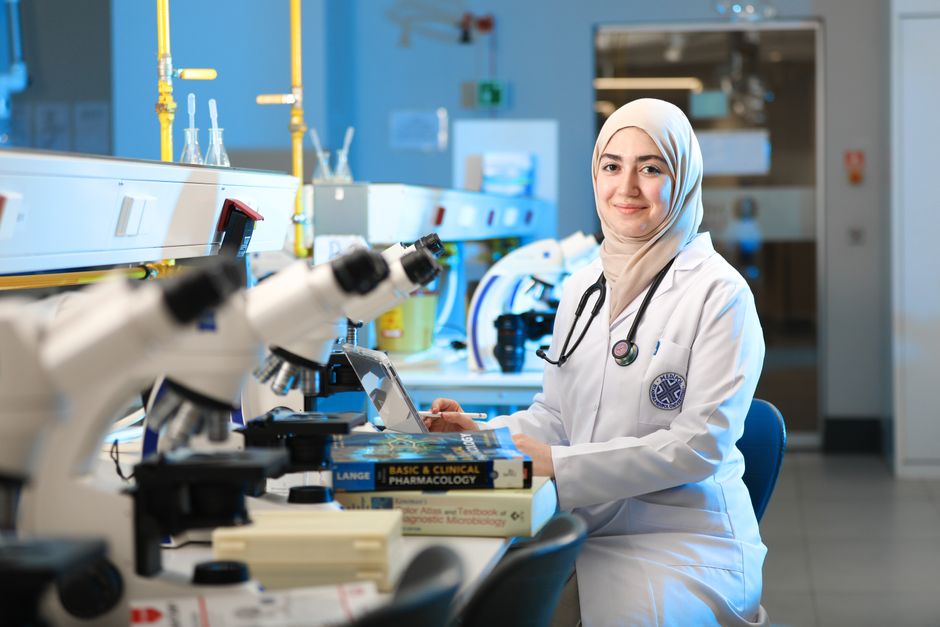
Biology competitions are a great way to push your knowledge and show colleges a real interest in the field. Here are ten worth knowing, from the big olympiads to essay and video contests.
Before we start: Rishab Jain, a Harvard student and ISEF winner, has made his free STEM Student Guide public, with a list of 50+ more opportunities and competitions worth checking out after this.
1. Regeneron Science Talent Search (STS)
One of the most prestigious science competitions in the US, the Regeneron STS is for high school seniors presenting independent research. Finalists travel to Washington, D.C. to present to judges and compete for major scholarships.
- Eligibility: US high school seniors.
- Award: Scholarships, cash prizes, and mentorship.
2. National Ocean Sciences Bowl (NOSB)
A team competition in marine biology and ocean science. Through quiz-style rounds, students are tested on oceanography, marine ecosystems, biodiversity, and conservation.
- Eligibility: High school students.
- Award: Varies by region and level.
3. USA Biology Olympiad (USABO)
The top US biology olympiad. You take theoretical and practical exams across genetics, biochemistry, ecology, and more, advancing through semifinals and national finals toward a spot on Team USA at the International Biology Olympiad. (Here’s our full USABO guide.)
- Eligibility: High school students interested in biology.
- Award: A path to the International Biology Olympiad.
4. International Biology Olympiad (IBO)
The international final, bringing together top students from national olympiads worldwide for theoretical and practical exams.
- Eligibility: Top scorers from national biology olympiads.
- Award: Medals, roughly the top 10% earn gold, the next 20% silver, and the next 30% bronze.
5. ASHG DNA Day Essay Contest
An essay contest from the American Society of Human Genetics on genetics topics, ethical, social, or scientific. Winning essays are published.
- Eligibility: High school students worldwide.
- Award: $1,000 / $600 / $400 for the top three (each with a matching genetics-materials grant for their school), plus ten $100 honorable mentions.
6. iGEM Competition
The International Genetically Engineered Machine (iGEM) competition has teams design and build synthetic biology projects, from biofuels to environmental solutions, and present them at the Grand Jamboree.
- Eligibility: High school and college students.
- Award: Medals and recognition at the Grand Jamboree.
7. The Plant the Moon Challenge
A project challenge at the intersection of biology and space, where students try to grow plants in simulated lunar or space conditions and learn the real problems of growing food off Earth.
- Eligibility: Middle and high school students interested in space and biology.
- Award: Certificates for all participants, with standout projects earning recognition, prizes, and invitations to workshops and webinars.
8. BioGENEius Challenge
A biotechnology competition recognizing high school research in the life sciences, where students present their work to scientists and industry professionals. (Here’s our BioGENEius guide.)
- Eligibility: High school students in the US and Canada, on topics like genetics, molecular biology, and bioinformatics.
- Award: Cash prizes, scholarships, and internships at research institutions and biotech companies.
9. Genes in Space Challenge
Students design an experiment on how spaceflight affects genes and biology. The winning experiment actually gets run aboard the International Space Station, which is what makes this one stand out.
- Eligibility: High school students (entered individually or in teams).
- Award: Your experiment carried out on the ISS, plus mentorship and recognition.
10. Brain Awareness Video Contest
Run by the Society for Neuroscience, this contest has students make a short video explaining a neuroscience topic, judged on accuracy, creativity, and clarity.
- Eligibility: High school students worldwide (roughly ages 13 to 18), as individuals or teams.
- Award: $4,000 for first place (plus registration to the annual Neuroscience conference), $500 for second, $250 for third, and a $500 People’s Choice prize.
More STEM competitions
Rishab Jain, an ISEF winner, has placed in many research competitions and run his own projects. His free STEM Student Guide lists 50+ more opportunities and competitions.


Leave a Reply